Seeing Like a Storyteller: Light, Contrast, and Caravaggio
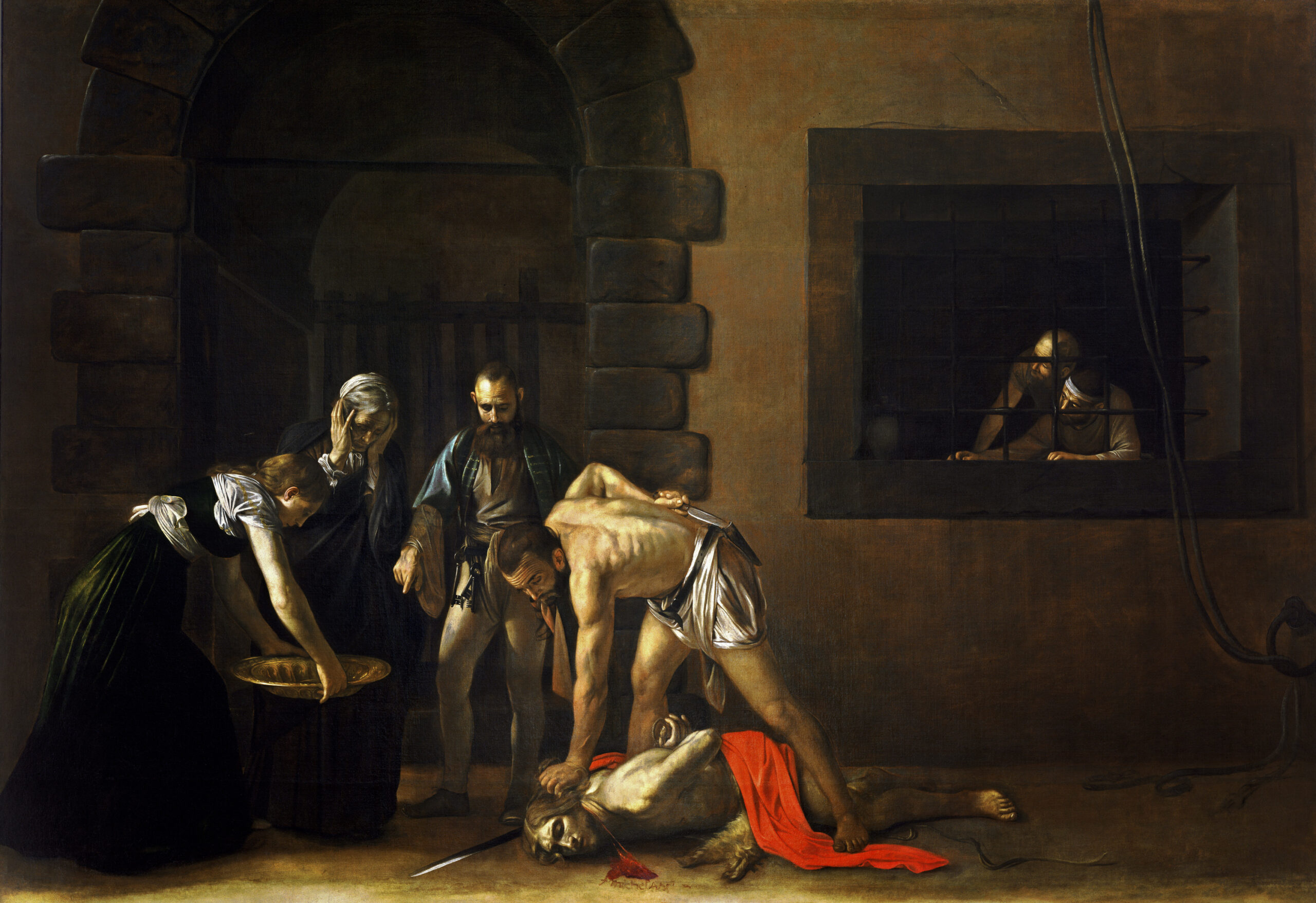
Seeing Like a Storyteller: Using Light, Shadow, and Intentional Exposure
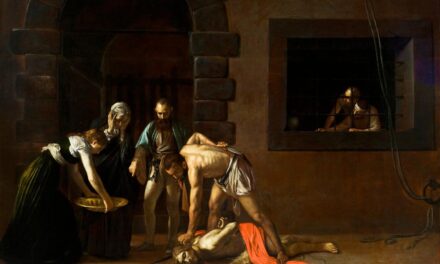
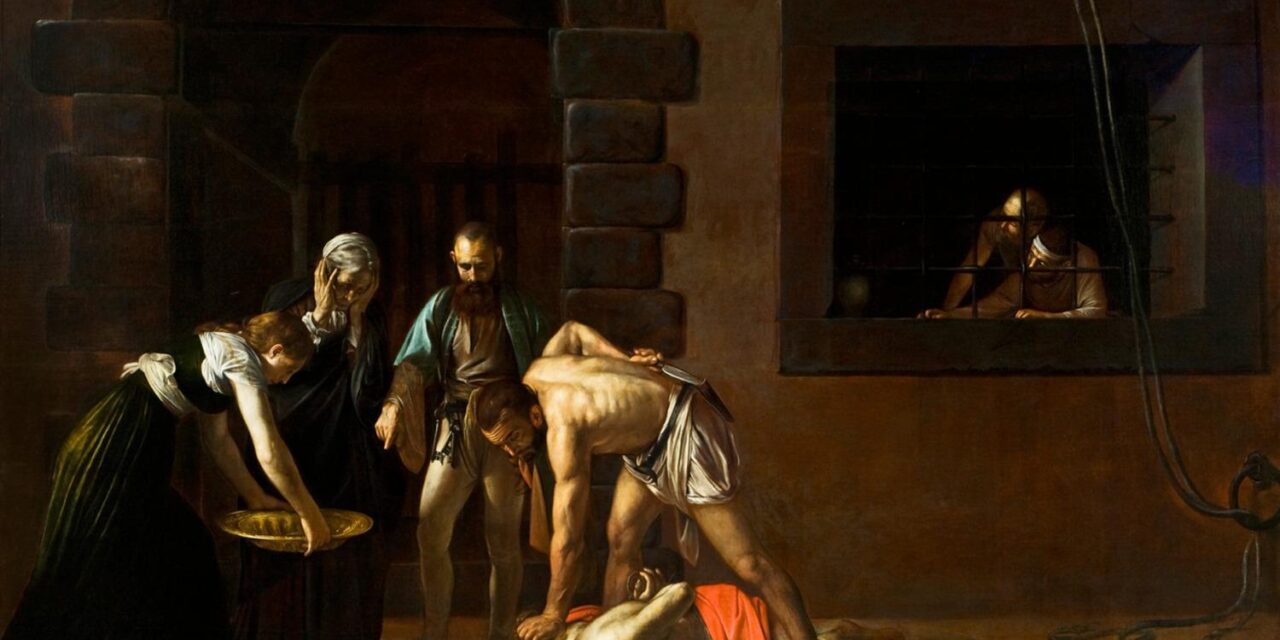
I spent part of my recent trip in Malta standing inside St. John’s Cathedral in Valletta, studying one painting by Michelangelo Caravaggio. The painting was The Beheading of Saint John the Baptist.
Caravaggio changed visual storytelling through his dramatic use of light and shadow. While chiaroscuro models form through contrast, his work often pushed into tenebrism — where figures emerge from deep darkness under intense, focused light, almost like a spotlight on a stage. The effect was not just technical; it was emotional and narrative.
This is why I keep returning to his work. Not simply as art history, but as a storyteller. His paintings remind me that great visual stories are rarely about showing everything. They are about deciding what deserves the viewer’s attention and using light to guide them there.
Good photography works the same way. You are not just recording what something looks like. You are deciding what someone sees first.
Contrast is one of the strongest storytelling tools we have.
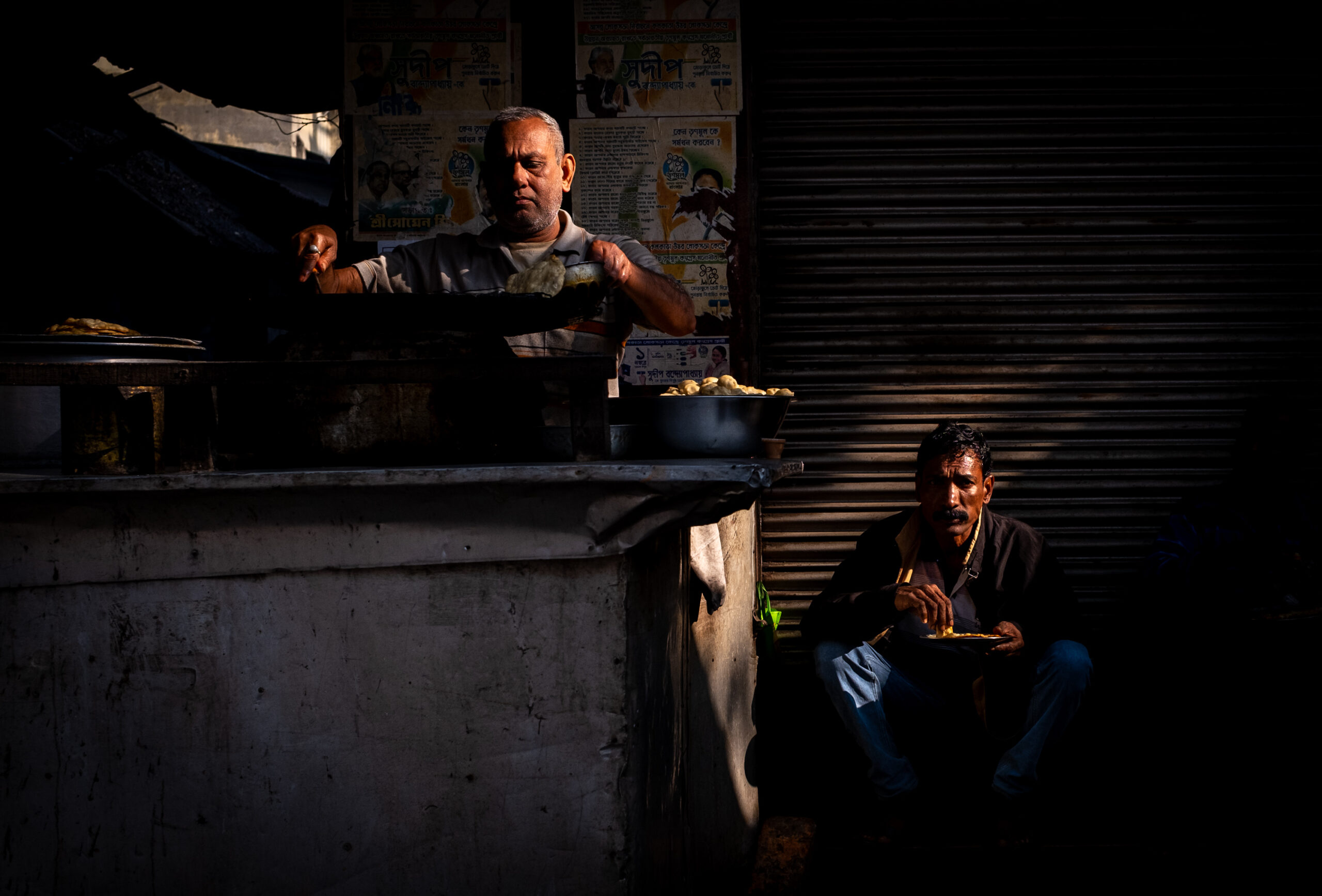
Here I used light to isolate the two men and unite them in one story — the cook and the customer. The deep surrounding shadows push this toward tenebrism, allowing the figures to emerge from darkness.
Photography Is Really About Exposure Decisions
Many photographers let their camera make decisions for them.
They leave their camera in program mode or trust matrix and evaluative metering to produce perfect exposures.
The problem is not that these tools are bad. They are designed to produce balanced, average exposures. Cameras are programmed to push brightness and darkness toward middle gray. This is called 18% gray exposure bias.
What does this mean practically?
If your scene is mostly dark, the camera will try to brighten it. This can wash out highlight detail.
If your scene is mostly bright, the camera will darken the image. This can crush shadows and remove texture.
But storytelling usually lives in the extremes, not the middle.
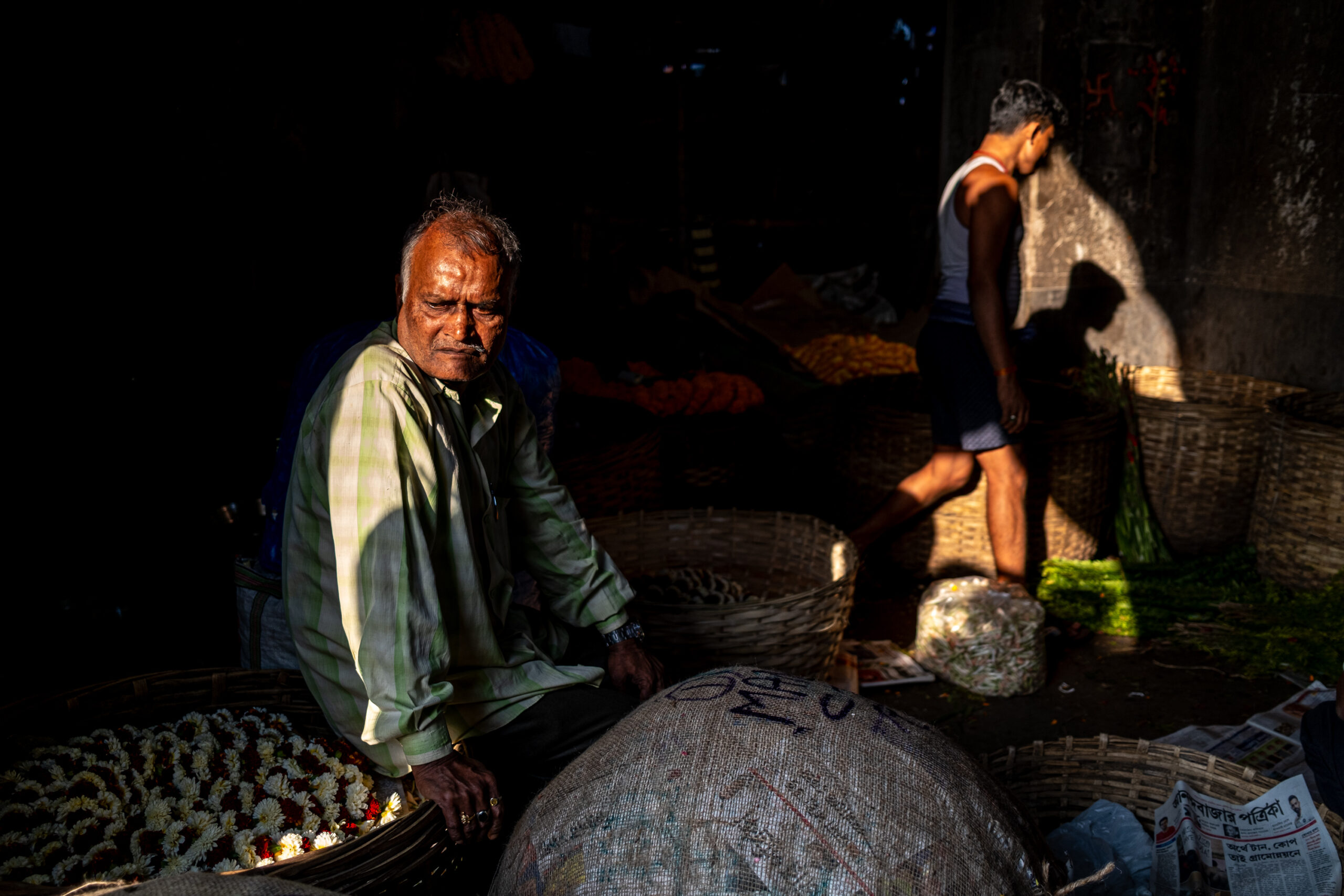
Here, light guides your attention to the emotion, while the shadows remove distractions from the story.
Control the Light, Control the Story
If you want stronger images, start by taking control of exposure decisions.
First, move away from P mode. Try aperture priority, shutter priority, or manual mode. These give you more creative control.
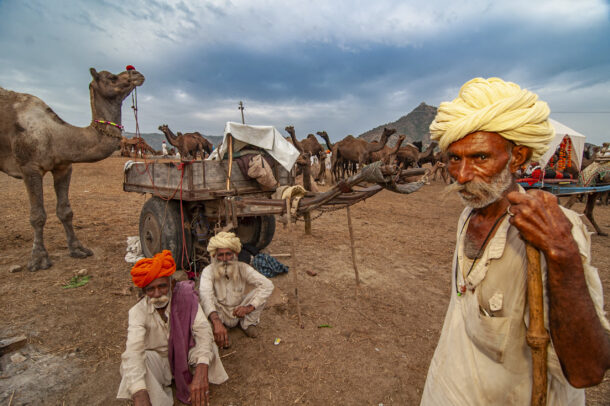
Then look for strong directional light. You cannot create dramatic images without dramatic light.
Search for:
• Hard sunlight
• Light coming from one direction
• Shadows that cut across faces or environments
• Light edges around people or objects
This is where storytelling becomes intentional.
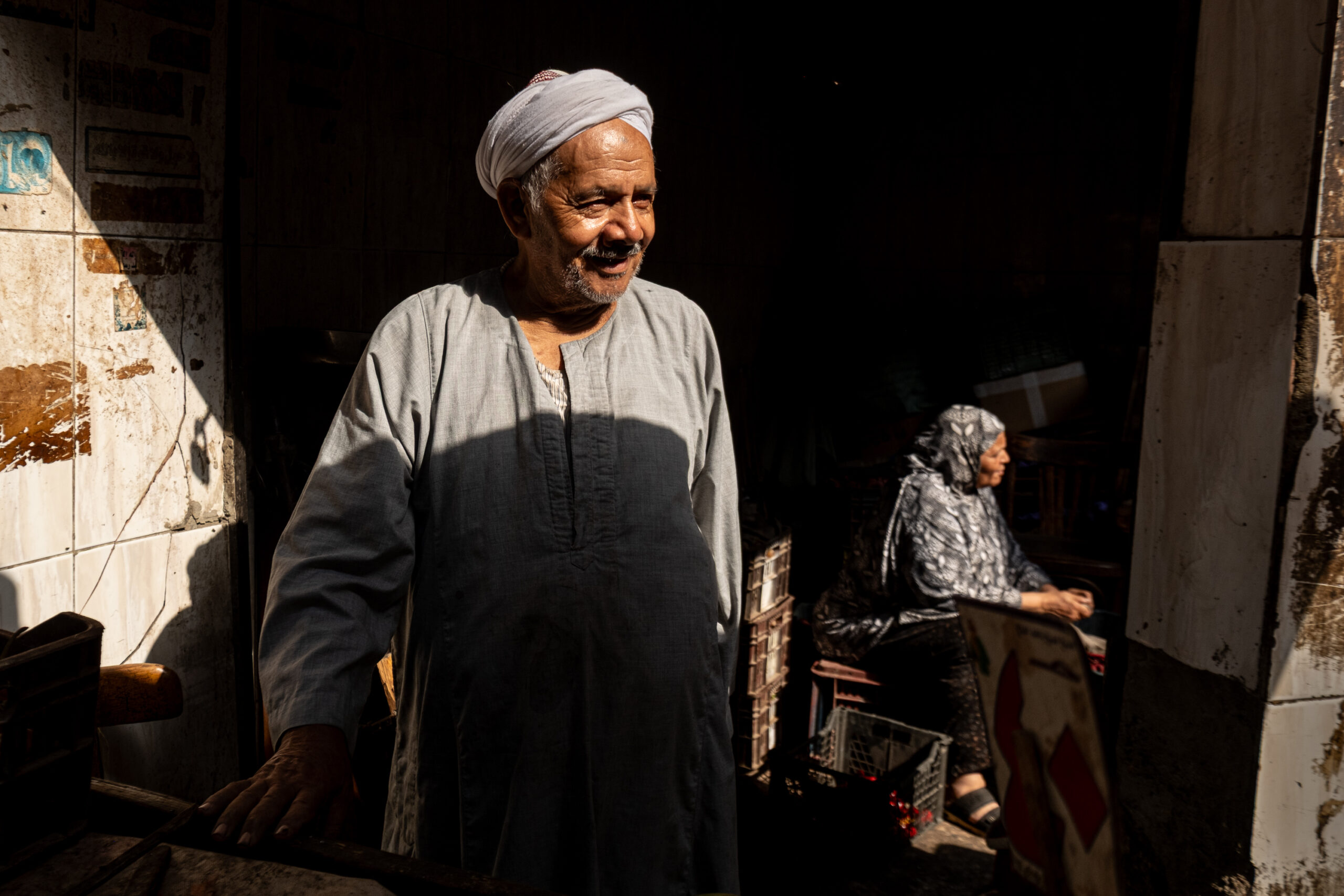
Walking the alleys of Cairo, I found an older man and his wife selling fruit. The light was ideal, wrapping around them and naturally separating them from the background.
Two Techniques I Teach in Workshops
Spot Metering Method
Use spot metering and place the meter on the brightest part of your subject. This protects highlight detail and allows shadows to fall deeper. Deep shadows are not mistakes. They are storytelling tools.
Exposure Compensation Method
This is the method I use most often.
Leave your camera in your preferred metering mode. Then dial exposure compensation down one to two stops.
Underexposing slightly preserves highlight detail and increases contrast. This creates stronger visual focus because the viewer’s eye is naturally drawn to the brightest part of the frame.
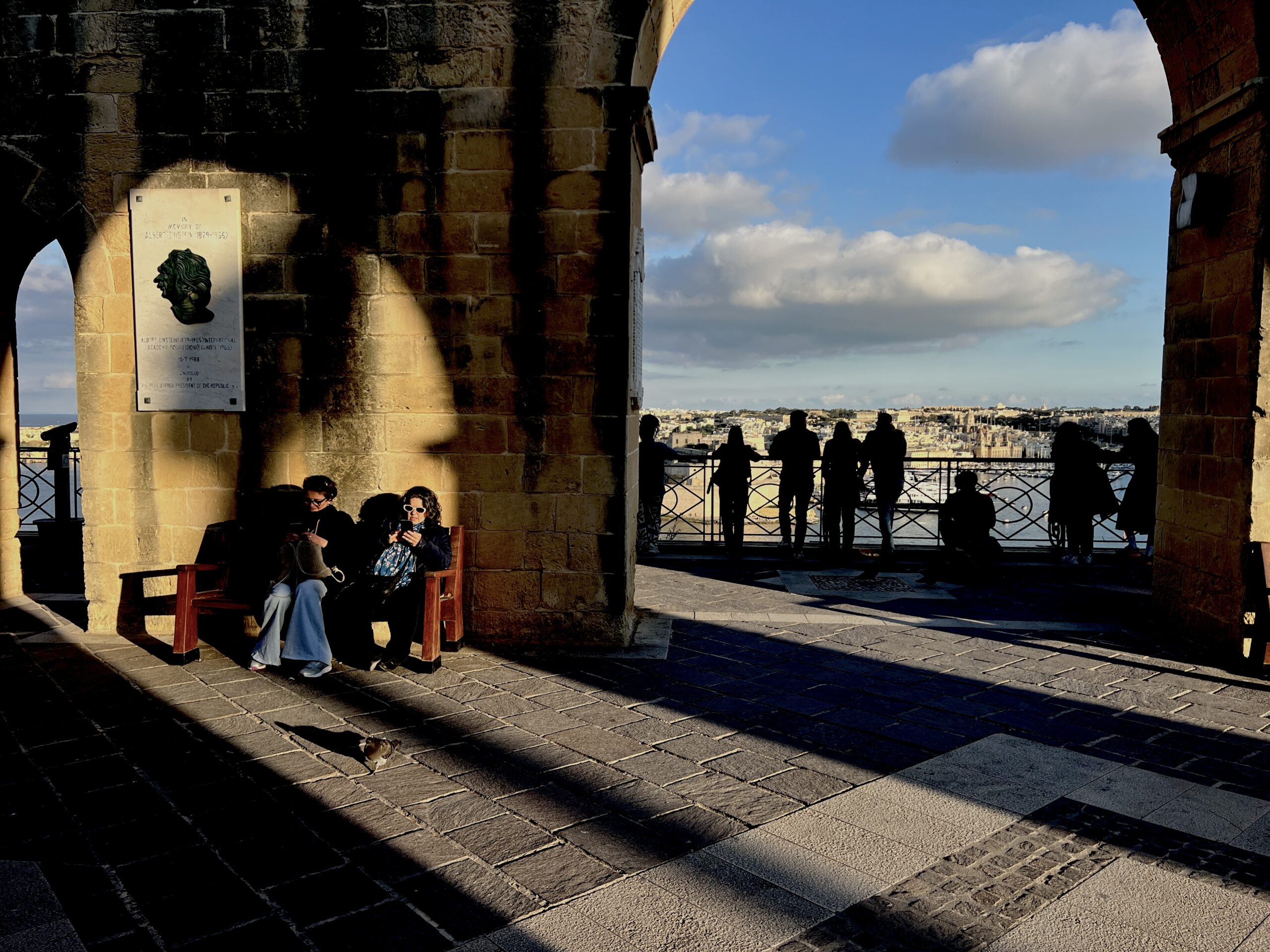
I shot this with an iPhone 14 in the late afternoon.
You Do Not Need Expensive Gear
During my time in Malta, I practiced this using an older iPhone while standing at the overlook of the Saluting Battery in Valletta.
I looked for strong Mediterranean sunlight. I tapped the phone screen to bring up the exposure slider and pulled the exposure down until highlights stayed clean while shadows went deep.
I photographed people standing in bright sunlight while using their phones, along with a pigeon standing in the light. The lowered exposure kept the highlights intact and pushed attention directly toward the subjects.
The lesson is simple. Storytelling is not about the newest camera. It is about learning to see light first.
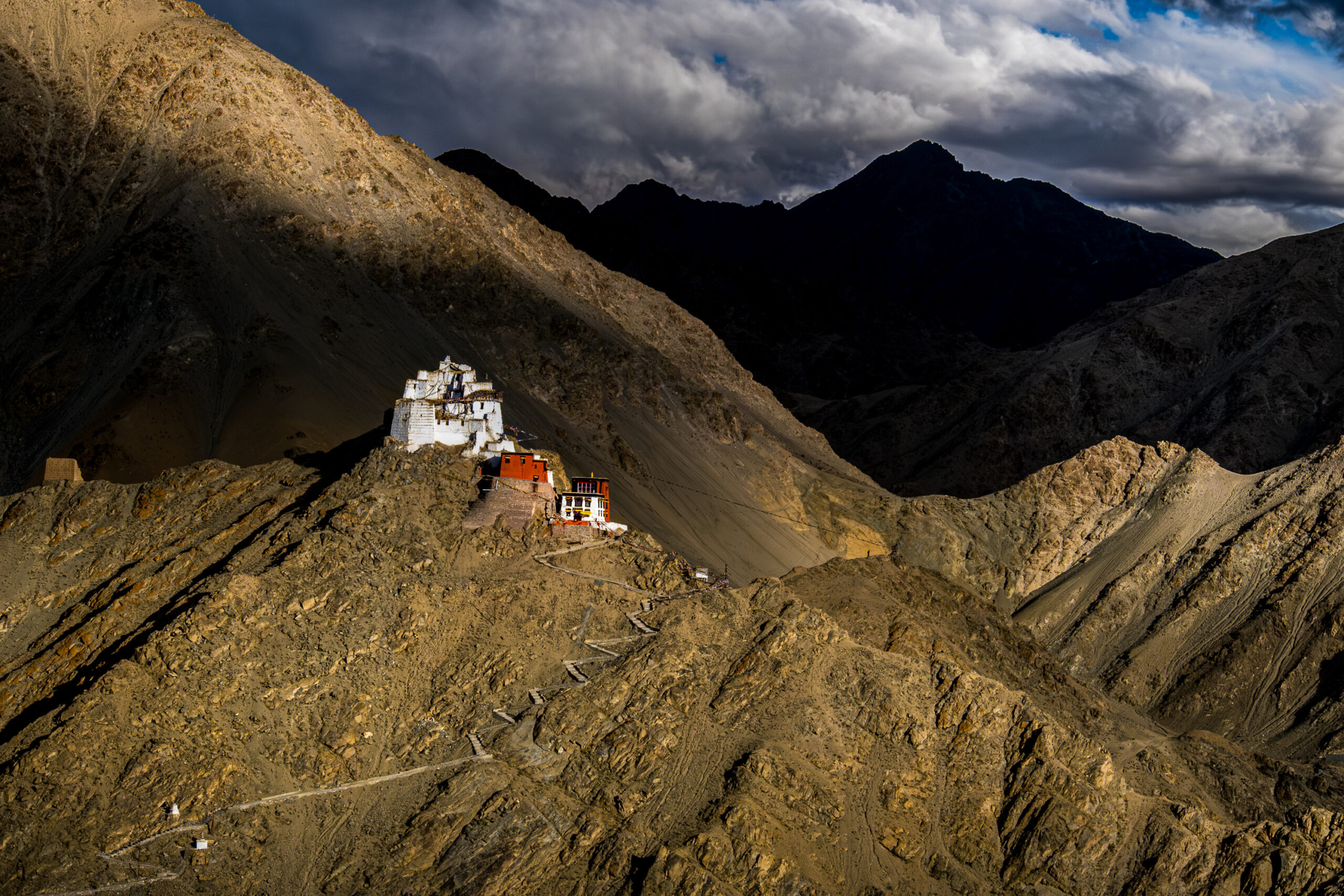
Not just for portraits. In Leh, Ladakh, I found a monastery glowing in sunset light. By exposing for the highlights, the mountains around it turned nearly black, allowing the story to sit in the light.
Where This Gets Exciting — Practicing in Real Environments
The best way to learn this is by practicing in places with strong natural light and real human stories.
Mountain environments are especially good. The light is often sharper. The contrast is stronger. Subjects stand out more naturally from their environment.
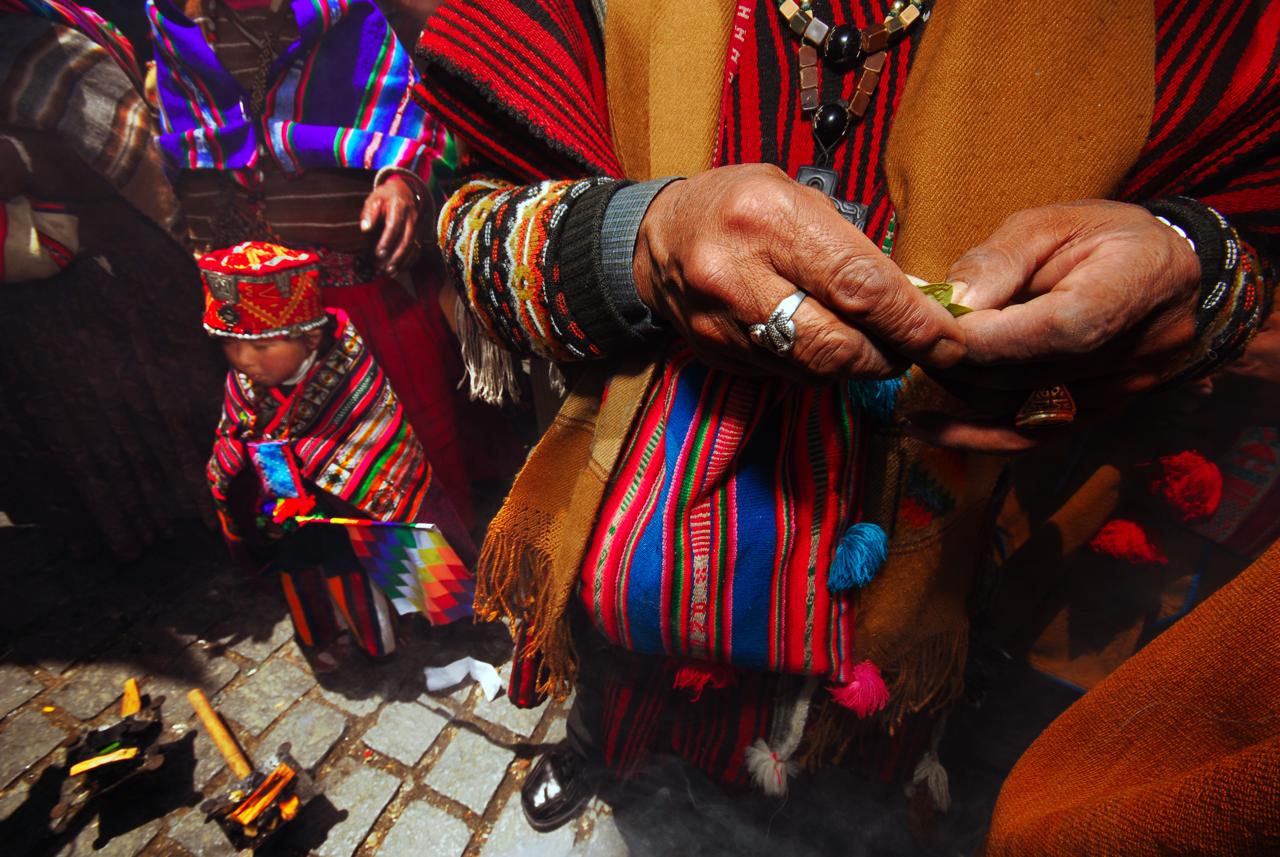
This is why I am excited about our upcoming trip to Bolivia this August.
These trips are not just about travel or photography. They are about learning to see stories in real time, with real people, using real light.
You will have opportunities to practice these exact techniques in field environments while receiving coaching on composition, storytelling, and ethical visual documentation.
If you want to strengthen your ability to tell stories with your camera, this is a great place to practice those skills.
If you are interested, consider joining us in Bolivia this August. Click the link to learn more and register.
And just a quick correction from earlier — I mistakenly mentioned Colombia in a previous message. This trip is to Bolivia.
If you’re inspired by storytelling through photography and want to practice seeing light and narrative in real environments, join us in Bolivia this August. Like the ideas we explored with chiaroscuro, tenebrism, and intentional exposure, you’ll have opportunities to work with dramatic mountain light, strong contrast, and authentic cultural moments that naturally guide attention to the story. This is about learning to see first, then shoot with purpose. Experiences like this are rare, and space is limited — secure your place and join us on this creative journey.